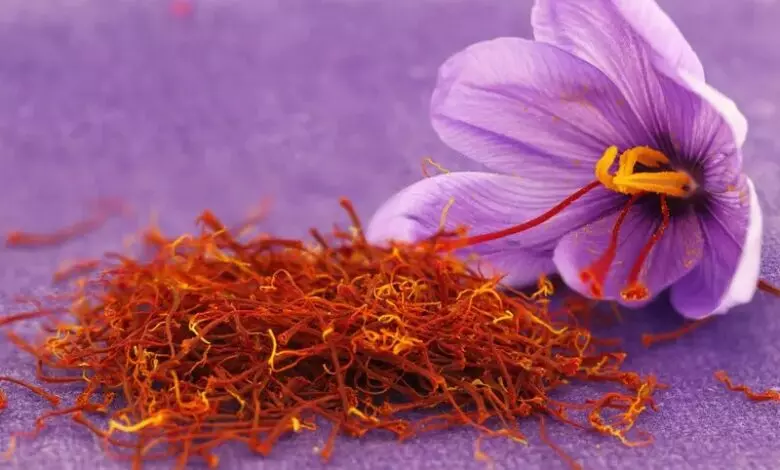
Saffron is the most expensive spice in the world, with a pound (450 grams) costing anywhere from $500 to $5,000. The reason behind its high price is the labor-intensive harvesting process, which increases its production cost. Based on findings and research, saffron has numerous properties, including antioxidant and anti-cancer benefits. However, some individuals should avoid consuming large amounts of it. In this article we mention some health benefits of saffron.
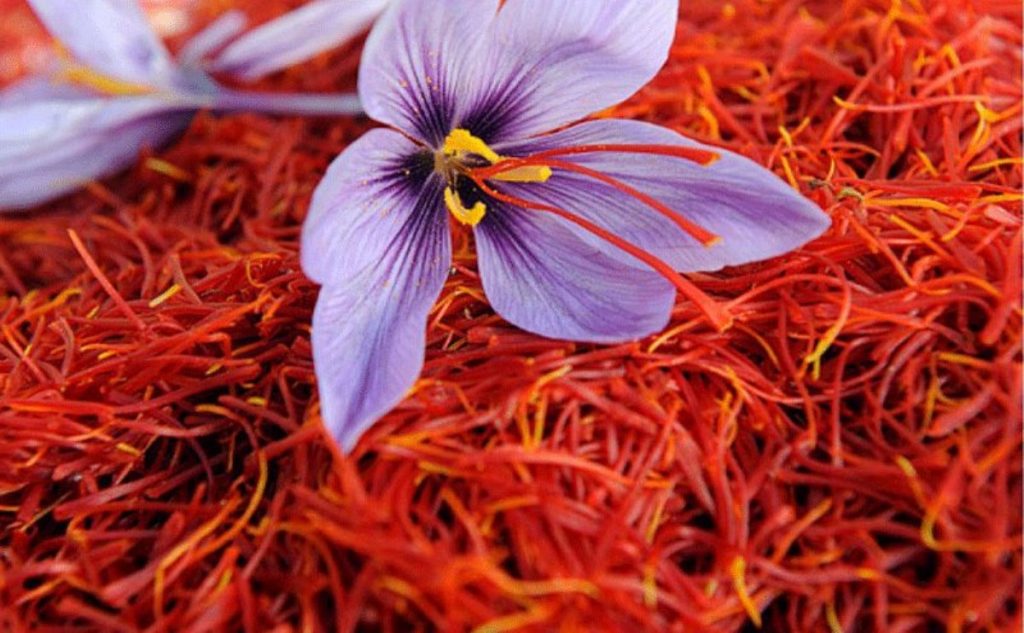
Saffron comes from a plant called Crocus sativus, commonly known as the saffron crocus, and is typically harvested by hand. The term “saffron” refers to the thread-like structures of the flower’s stigma.
While its exact origin is still debated, it appears that saffron originated in Iran. In Iran, saffron is considered a valuable plant due to its medicinal properties. People in Iran use saffron to enhance sexual potency, improve mood, and boost memory.
A Powerful Antioxidant
Saffron contains a significant variety of plant compounds, acting as antioxidants. Antioxidants are molecules that protect your cells against free radicals and oxidative stress; oxidative stress refers to the imbalance between oxygen and a biological system’s ability to detoxify or repair damage to cells.
The antioxidants present in saffron include crocin, crocetin, safranal, and kaempferol. Crocin and crocetin are carotenoid pigments responsible for the red color of saffron. Both substances likely possess the following properties:
1. Anti-Depressant Properties
2. Protection of Brain Cells
3. Defense Against Progressive Damage
progressive damage.
4. Anti-Inflammatory Effects
5. Appetite Reduction
6. Aid in Weight Reduction
Safranal is responsible for the distinct taste and aroma of saffron. Research suggests that the presence of safranal in saffron may contribute to improved mood, memory, and increased learning abilities. Additionally, it may protect brain cells from oxidative stress.
Finally, kaempferol is found in the petals of saffron flowers. This compound plays a role in reducing inflammation and possesses anti-cancer and antidepressant properties.
Saffron Anti-depressant properties
Saffron, also known as the “sunshine spice,” is renowned for its effectiveness in improving mood and alleviating symptoms of depression. Its popularity is not solely due to the distinct color of the plant but also because it has the potential to uplift spirits and induce happiness.
An overview of five research articles indicates that saffron supplements have been more effective than placebos in treating mild to moderate depression symptoms. Furthermore, studies suggest that a daily intake of 30 milligrams of saffron is as effective as antidepressant medications like fluoxetine, imipramine, and citalopram. Additionally, saffron exhibits minimal side effects compared to other medications and is associated with fewer adverse reactions in individuals.
Both saffron petals and the thread-like stigma appear to be effective in addressing mild to moderate depression. Despite these promising findings, experts emphasize the need for further research and clinical trials on human subjects before officially endorsing saffron as a therapeutic remedy for depression.
HEALTH BENEFITS OF SAFFRON: Reducing the risk of cancer
Saffron is rich in antioxidants that help neutralize harmful free radicals. Free radical damage is associated with chronic diseases such as cancer.
In laboratory studies, it has been observed that saffron and its components selectively eliminate or suppress the growth of colorectal cancer cells, leaving healthy cells unharmed. This phenomenon extends to various types of cancer cells, including those in the skin, bone marrow, prostate, lungs, breasts, uterus, and several others, demonstrating a promising impact on cancer treatment. The ability of saffron to target specific cancer cells while sparing healthy cells underscores its potential as a valuable resource in the development of cancer therapies.
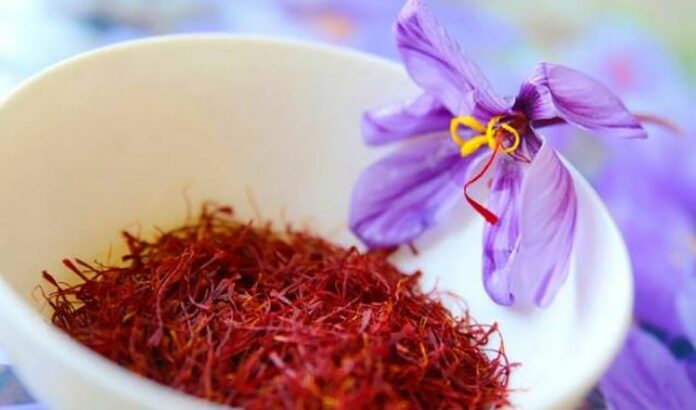
Laboratory studies have also shown that crocin – the main antioxidant in saffron – increases the sensitivity of cancer cells to receive chemotherapy drugs.
While these findings from laboratory research are promising, the anti-cancer effects of saffron in humans have not been well studied and more research is needed to confirm these results.
HEALTH BENEFITS OF SAFFRON: Strengthening sexual powers
Sexual enhancers are supplements that aid in boosting your sexual desire. Research has shown that saffron possesses properties to enhance sexual potency, especially noticeable in individuals who are taking antidepressant medications.
For instance, the issue of erectile dysfunction in men who have developed it due to the use of antidepressant medications has significantly improved with the daily consumption of 30 milligrams of saffron over four weeks, compared to those who received a placebo.
Moreover, an analysis of six studies demonstrated that saffron consumption considerably enhances erectile function, sexual desire, and overall satisfaction in sexual relationships. However, it does not improve the quality of male semen (sperm).
With the daily consumption of 30 milligrams of saffron over four weeks, in comparison to a placebo, sexual issues have improved in women who experienced a reduction in sexual desire due to antidepressant medication, and those who suffered from pain during intercourse have experienced improvement. In summary, enhancing sexual potency is another notable benefit of saffron.
Other HEALTH BENEFITS OF SAFFRON
Saffron has other benefits that have not been widely studied yet:
It reduces the risk of heart disease. Laboratory research and animal studies show that the antioxidant properties of saffron reduce blood cholesterol and prevent clogging of blood vessels and arteries .
It lowers blood sugar levels. Based on laboratory observations and research conducted on diabetic mice, it is possible that saffron will reduce blood sugar levels and increase insulin sensitivity .
Improves age-related vision problems (AMD) in adults. Saffron appears to improve vision in adults with AMD and protect against free radical damage associated with AMD .
Improves memory in adults with Alzheimer’s. The antioxidant properties of saffron are effective in improving cognitive function of the brain in adults with Alzheimer’s .
Leave a Reply