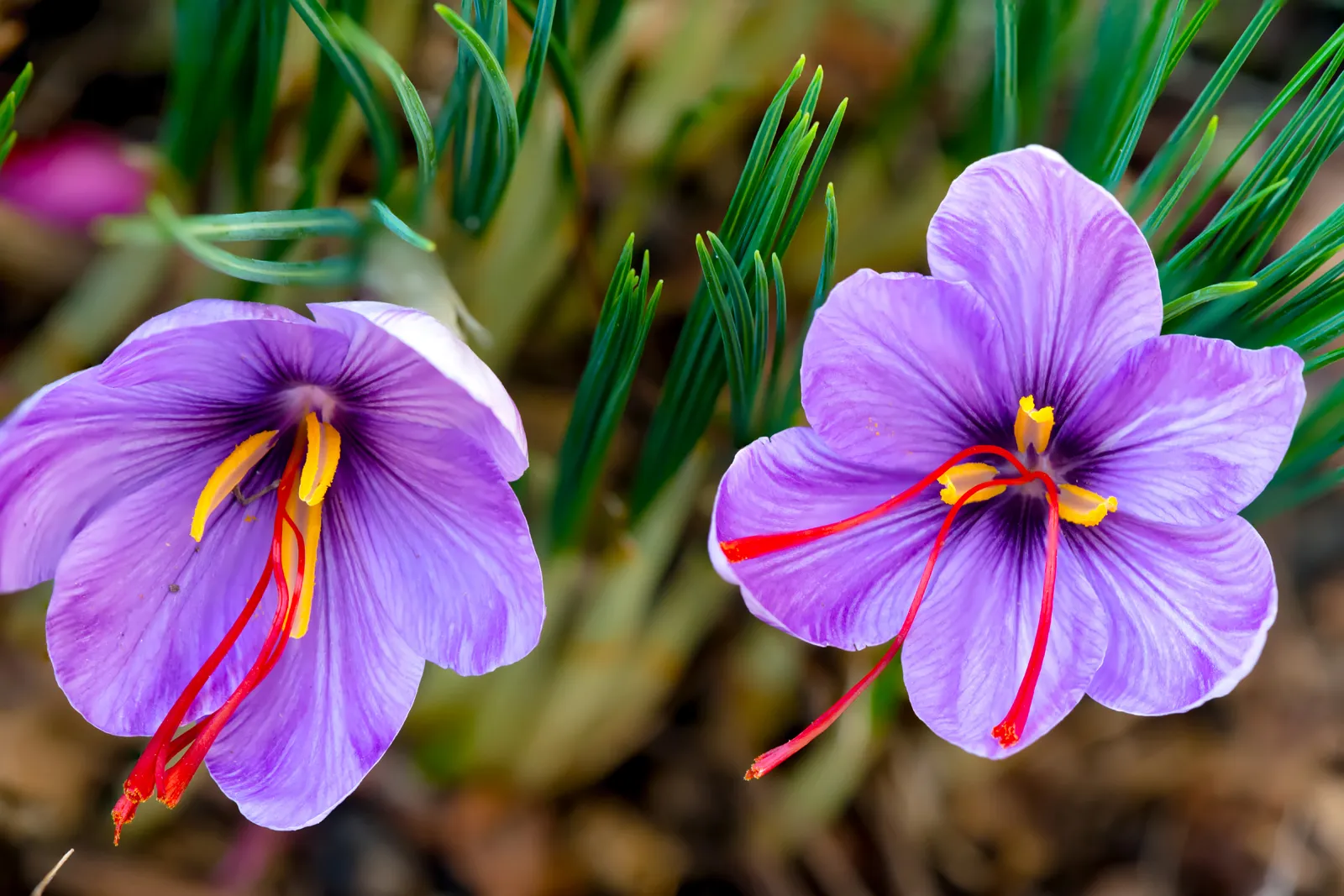
Saffron types are important when you want to use it. saffron can be classified into different types and in both physical and content ways. In physical classification, saffron is classified based on form and shape, but the type of content is focused on the quality of saffron. In different countries, the standard of saffron classification is different. In Spain, saffron is graded according to the criteria of the cultivation area and in the second category according to the length or thickness of the stigma and root. Also, in India, saffron is classified based on the purity and quality of stigma or the presence of stigma and root, and in England based on characteristics such as color, aroma and taste. in this article we introduce saffron types.
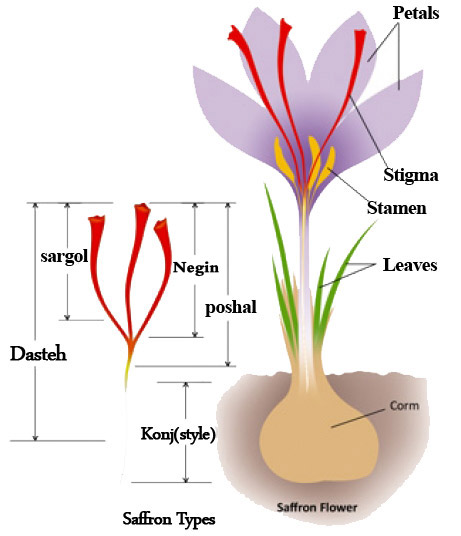
At the same time, the ISO 3632 standard has introduced the most reliable classification that has been accepted by all countries that produce and consume saffron, which is discussed below:
Each strand of saffron consists of two parts, which are very important in distinguishing the types of saffron;
The first part is the stigma (the red part of saffron)
The second part is the root (the white part of saffron)
Introduction of saffron types
1- Bunch Saffron
The saffron is a complete strand that has the red and yellow parts of saffron together. In such a way that the yellow part is about 30% and the red part is about 70%. In this type of classification, the saffron is intact and the stigmas of the three saffron branches are not separated from the white part of the saffron (or the saffron root). The arrangement of this model is done as one-way and two-way. In the one-way arrangement, the roots are placed on top of each other and the stigmas are placed on top of each other, but in the two-way arrangement, the stigmas are placed on both sides and the roots are placed in between.
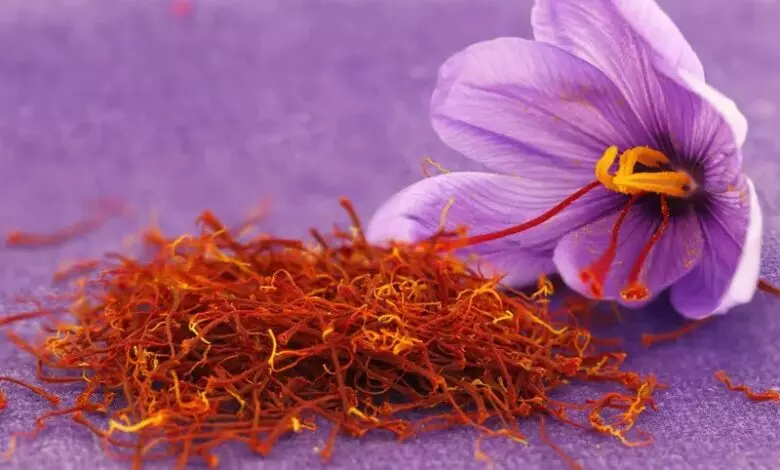
2- Pushal saffron: saffron types
In Poshal saffron, the saffron root (white part) is separated from under the flower, so that the stigmas will have 1-3 mm roots. At the end of the stigmas of the three branches of saffron, some yellowness or whiteness can be seen, which gives it a pushal-like shape; For this reason, saffron is called Pushal. Pushal saffron is divided into two types of pushal and normal pushal. This model of saffron is graded from 1 to 3 based on the coarseness of the stigma and the amount of roots attached to it. Pushal saffron that has thick and smooth stigmas, without wrinkles and has fewer roots is called pendarian pushal, and pushal saffron that has normal and wrinkled stigmas with more roots is called normal pushal.
3-Sargol saffron: saffron types
Considering that saffron is the most expensive spice in the world, it is the most widely used and common type of saffron for people’s use, and consumers are more familiar with this type of saffron. Sargol saffron has different grades such as premium, top quality, and top quality; it is also called AII-Red, because it is completely red. In Sargol saffron, which is a pure saffron, the root part or the white part of saffron is completely removed and only the red part remains; That is why it is called all red. The grading and price of Sargol saffron varies depending on the thickness of the stigmas, whether they are fine or coarse, and the presence or absence of broken stigmas.
Determining the quality of Sargol is a difficult task. The quality of saffron is measured by two indicators, “stigma length” and “the presence or absence of white pieces of the root that are mixed with the load and have taken on a red color” and are graded from 1 to 3.
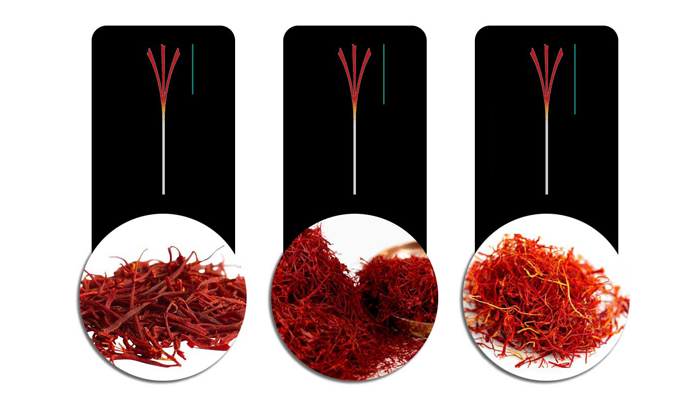
4- Negin saffron
This model of saffron is one of the types of saffron, it has a wonderful coloring and appearance and is very fragrant. In this type of saffron, three strands of stigmas are connected and are smooth and unbroken (unlike Sargol saffron, which has broken stigmas). This has caused this type of saffron to have a better appearance and a higher price than Sargol saffron, but people prefer to buy Sargol saffron, which has the same color and aroma as Negin saffron, on the other hand, it has a lower price. Foreign customers are more inclined to buy precious saffron. Negin saffron itself is divided into two types, super-negin and semi-negin. In general, you should know that saffron is known as the red gold of Iran.
5- white saffron or Konj Saffron
Konj saffron is not included in the category of saffron types. After the head is separated from the stalk, the root or white part, which is called konj or white saffron in Iran, remains; This part is known as white or style in Europe. The general public believes that the root part of saffron has more fragrance, but scientific investigations and analyzes show that the red part of saffron has more valuable substances. One of these substances is crocin, which moves inside the saffron plant from the red stigma part to the white root part, and because the saffron root part has more moisture, it causes more aroma from the saffron root to be smelled. Saffron root does not contain crocin (responsible for saffron coloring), but it has the properties of red saffron.
Leave a Reply